How an Oil Painting Develops from Sketch to Canvas
30 March 2026 · 7 min read
30 March 2026 · 7 min read
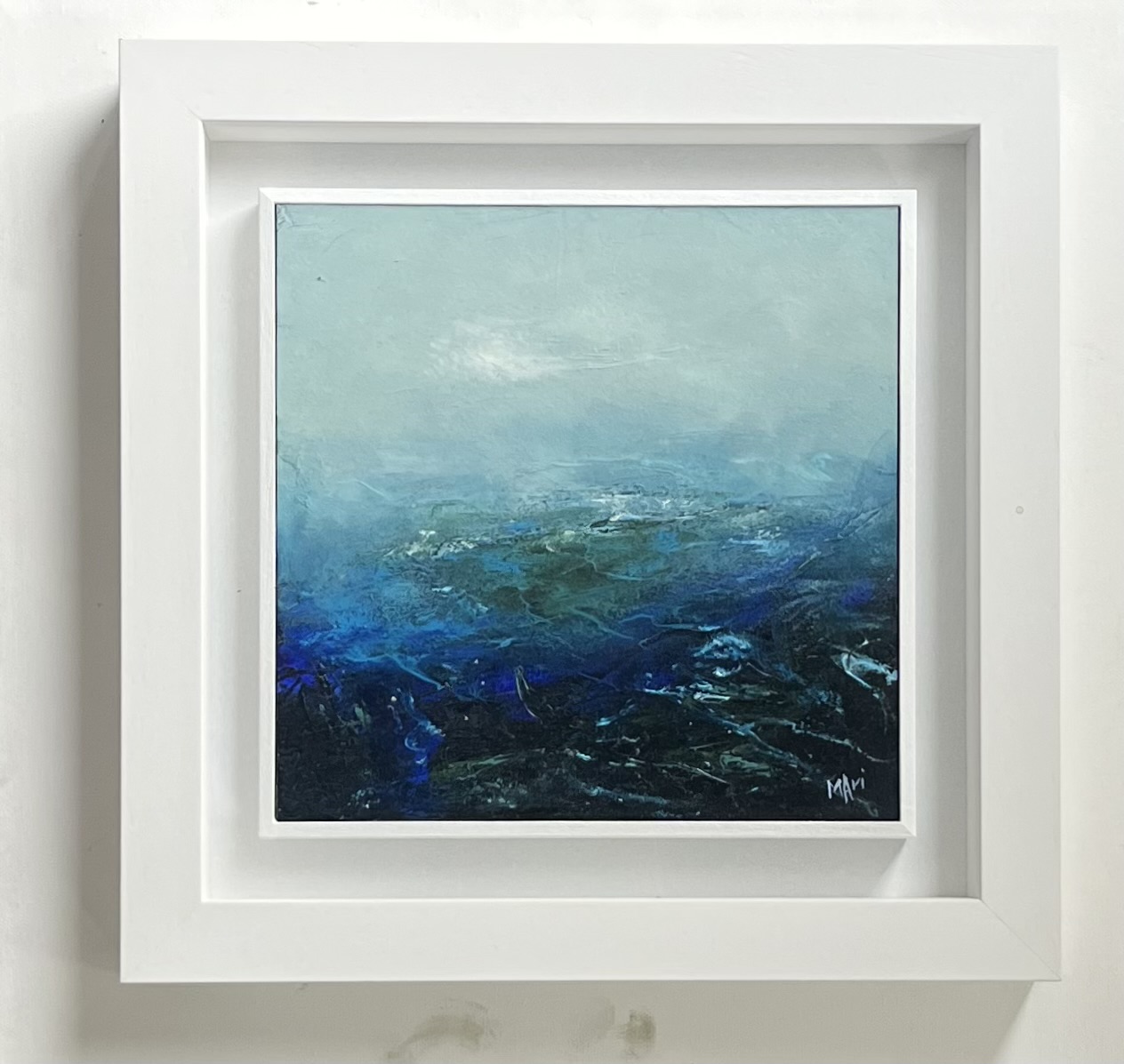
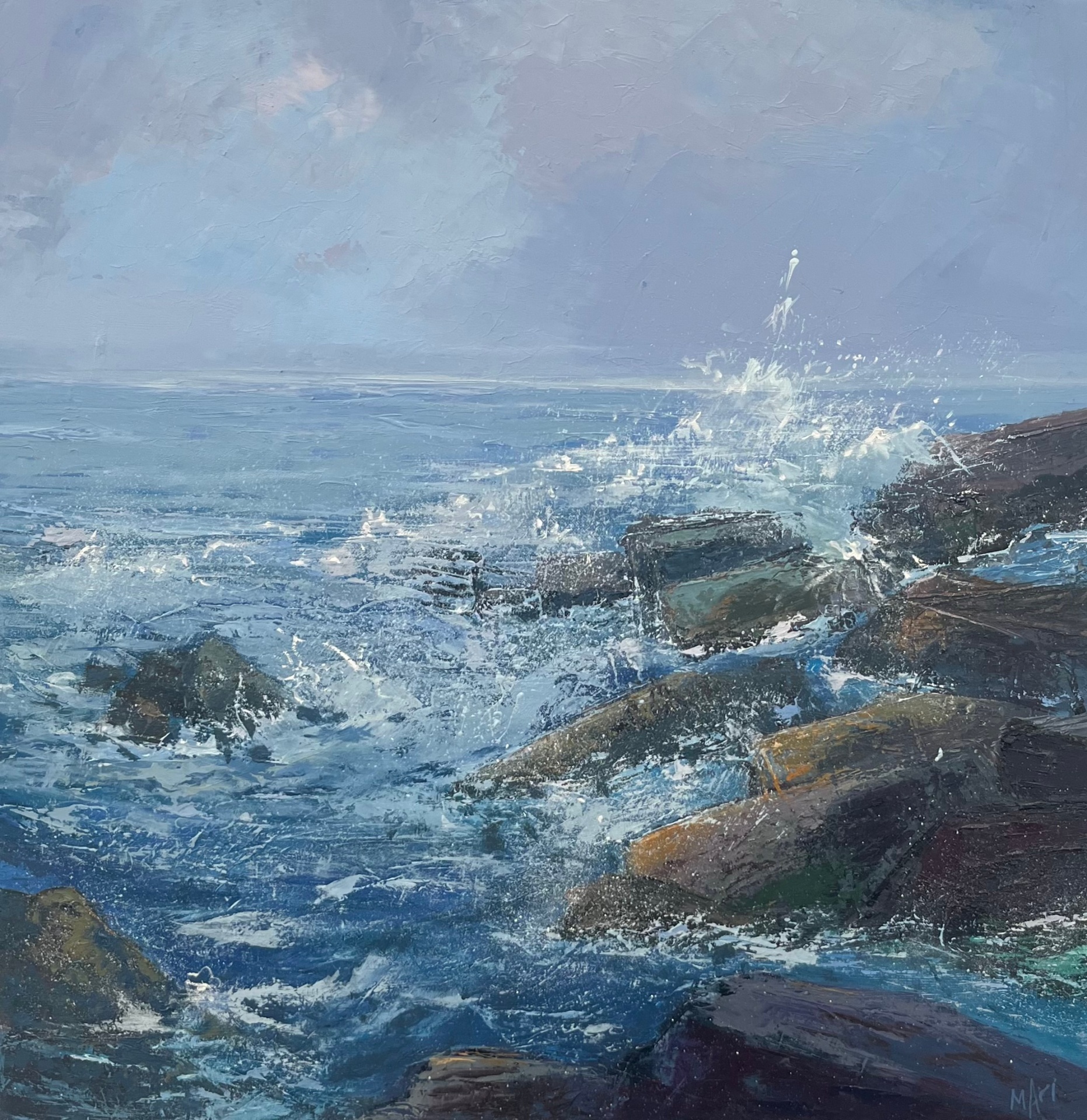
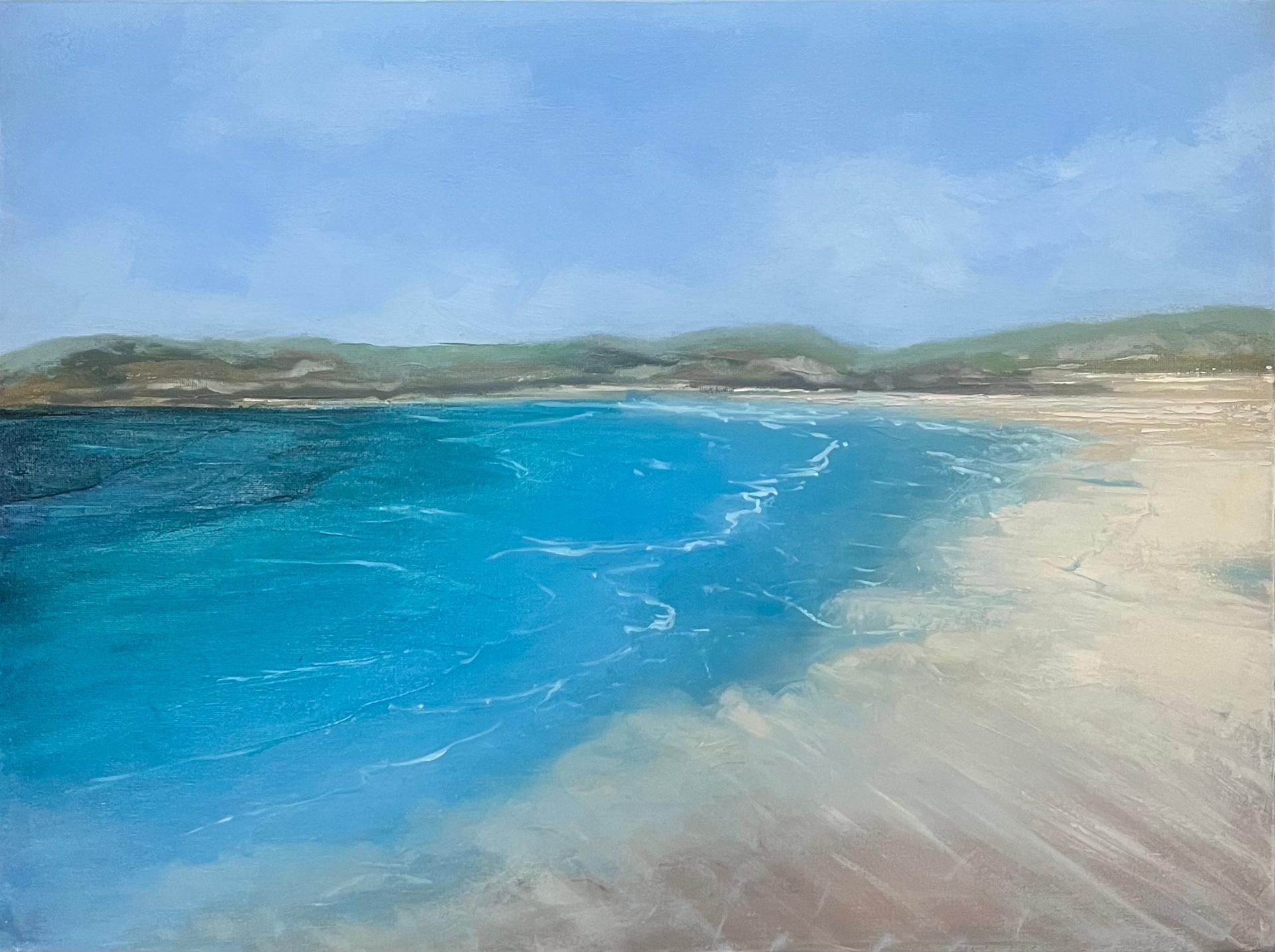
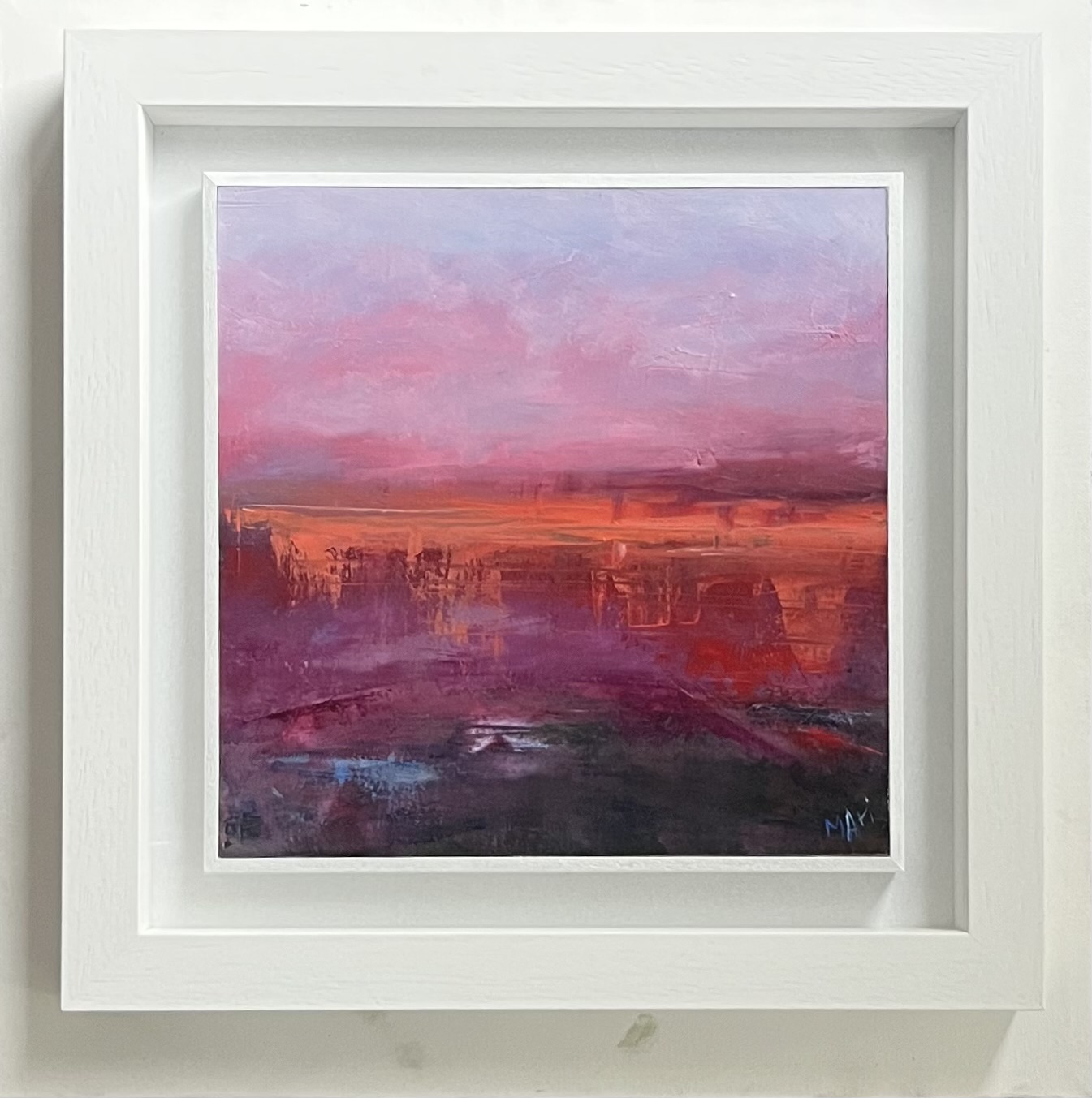
It is hard to imagine, looking at a finished oil painting, that it started life as a smudged pencil sketch in a sketchbook held flat against the wind. But every painting I make begins exactly that way.
Sketch. I draw quickly — five or ten minutes — capturing only what matters: the horizon line, the angle of light, the shape of the largest dark. I write colour notes in the margin: 'pale silver sky', 'turquoise band before shore', 'warm ochre cliff'.
Studio plan. Back in the studio I scale the sketch up on a small toned panel and test the composition in three values — light, mid, dark. If it does not read at thumbnail size, no amount of brushwork later will save it.
Underpainting. I block the whole canvas in thinned raw umber, establishing structure and atmosphere before any colour goes down. This step is unglamorous but decisive.
Colour passes. Three or four sessions, each waiting for the last to dry. Early passes are broad and scrubby; later ones are slower, more considered, the brush replaced by a small palette knife for the final highlights.
Resolution. The painting tells me when it is finished. Usually I know a day before I can let myself stop.